A full stair renovation in Chicago typically costs between $3,500 and $12,000 depending on scope — but stairs are priced very differently than floors. There's no simple per-square-foot number here, because pricing depends on the number of treads, the materials chosen, and how many components (railings, spindles, newel posts) are part of the project. This guide breaks down exactly what drives stair renovation costs in 2026.
Unlike floor refinishing, where price scales with square footage, stair renovation is priced by component — because a staircase has several distinct parts that can each be repaired, replaced, or refinished independently.
🪜
Treads & Risers
The horizontal steps you walk on (treads) and vertical faces between them (risers). Often refinished or replaced together.
🔘
Spindles / Balusters
The vertical posts supporting the handrail. Wood-to-iron spindle conversion is one of our most popular upgrades.
🏛️
Newel Posts
The larger posts anchoring the railing at the top and bottom of the stairs. Often the most visually impactful element to update.
✋
Handrail
The railing itself — can be refinished to match new treads, or replaced entirely for a different profile or wood species.
📏
Skirt Boards
The trim boards running along the wall side of the staircase. Often overlooked but visible if not refinished to match.
🔧
Structural Repairs
Squeak fixes, re-anchoring loose components, or addressing old nail-only construction that's developed play over the years.
Stair Renovation Cost by Component — 2026 Pricing
Component
Price Range
Tread refinishing
$60 – $70 / tread
New oak tread installation
$250 – $400 / tread
Riser refinishing
$55 – $65 / riser
Riser painting (white, standard)
$35 – $45 / riser
Iron spindle replacement
$25 / spindle
Wood spindle replacement
$18 – $30 / spindle
Newel post refinishing
$150 – $200 / post
Newel post replacement
$300 – $600 / post
Handrail refinishing
$30 – $35 / linear foot
Handrail replacement
$200 – $450 / section
Skirt board refinishing
$200 / board
Squeaky stair repair
$850 / flight
Why per-component, not per-square-foot: Two staircases with the same number of steps can cost very differently depending on whether you're refinishing existing wood, replacing carpet with new treads, or doing a full structural rebuild. Pricing each component separately gives you control over exactly what you're paying for.
Full Renovation Packages — What a Complete Project Looks Like
Most homeowners don't pick components one at a time — they want the whole staircase to look cohesive. Here's what typical complete renovations cost for a standard 13–15 step Chicago staircase:
Package
What's Included
Typical Cost
Refinish & Update
Refinish treads, paint risers white, replace spindles with iron
$3,500 – $5,500
Carpet Removal & Treads
Remove carpet, install new oak treads, iron spindles, refinish rail
$6,000 – $9,000
Full Renovation
New treads, risers, newel posts, spindles, handrail — top to bottom
$8,000 – $12,000+
Structural Rebuild
Full re-screw of old nail-only construction, plus cosmetic update
$2,000 – $4,000 add-on
Many of our Chicago and suburban clients combine stair renovation with floor refinishing in the same project — when both are done together, the stain and finish are matched perfectly throughout the home, and you save on setup costs compared to two separate projects.
Most popular stair renovation in Chicago: The single most requested project we do — by a wide margin — is carpet removal, new Red Oak treads, white painted risers, black iron spindles, and a refinished handrail. This combination consistently delivers the most visible transformation for the investment, typically running $6,000–$9,000 for a standard staircase.
Does Stair Renovation Increase Home Value?
A staircase is one of the first things people notice walking into a home — it sets the tone before they've even seen the rest of the house. Replacing worn carpet with hardwood treads, updating outdated wood spindles to black iron, and refinishing a tired handrail consistently makes a strong first impression for buyers and is something we hear about often from clients preparing to list their home.
What Affects Stair Renovation Pricing
Number of steps. More treads, risers, and spindles means more line items — straightforward, but it adds up quickly on longer staircases.
Wood species. Red Oak is the standard, most affordable choice — the pricing throughout this guide assumes Red Oak. White Oak typically adds 10-20% to tread and material costs; custom species are quoted individually.
Current condition. Carpeted stairs need removal first. Stairs with structural looseness from old nail-only construction need re-screwing and adhesive before cosmetic work makes sense.
Newel post complexity. Simple square posts cost less than turned or custom-profile posts.
Code height upgrades. Older Chicago homes sometimes have railings built to a 32" standard rather than current 36" code — bringing this up to code adds to post and spindle costs.
Location. North Shore adds ~8%. High-rise Chicago buildings may add 20-30% for access logistics.
Get Your Instant Stair Renovation Estimate
Select "Stairs" in our Instant Quote tool for a ballpark price based on your specific project — under 60 seconds, no phone call needed.
Greystone condo with worn original treads and outdated wood spindles. We sanded and refinished the treads, painted the risers white, and replaced the wood spindles with black iron balusters. Done alongside refinishing of the main living area floor for a matched finish throughout.
Scope14 treads + risers + iron spindles
StainDuraSeal Jacobean
Total Investment (stairs portion)$4,200
📍 Schaumburg, IL
Carpet Removal + New Oak Treads
Typical subdivision home with carpeted stairs from original construction. Homeowner wanted hardwood treads to match the rest of the main floor, which had carpet removed and refinished separately. We removed the stair carpet, installed new Red Oak treads, and added black iron spindles for a clean, modern contrast.
Scope15 new oak treads + iron spindles
IncludesCarpet removal, handrail refinish
Total Investment$7,800
📍 Oak Park, IL
Structural Rebuild — 1920s Staircase
Entire staircase had developed significant play from decades of nail-only original construction with no adhesive. Before any cosmetic work, we re-screwed every structural joint and added construction adhesive throughout. Followed by tread refinishing and a full newel post and spindle replacement to bring the railing up to current 36" code height.
ScopeStructural rebuild + full cosmetic renovation
IncludesCode height upgrade (32" → 36")
Total Investment$10,500
📍 Wilmette, IL
Carpet Removal + Most Popular Package
North Shore colonial with original carpeted stairs the homeowners wanted updated to match a recent main-floor refinishing project. We removed the carpet, installed new Red Oak treads, painted the risers white, replaced the existing wood spindles with black iron, and refinished the original handrail and newel posts to match.
ScopeCarpet removal + new oak treads + iron spindles
IncludesHandrail & newel post refinishing
Total Investment$8,400
Frequently Asked Questions
How much does it cost to replace carpeted stairs with hardwood?
Carpet removal plus new Red Oak tread installation typically runs $6,000–$9,000 for a standard 13-15 step staircase, including iron spindle replacement and a refinished handrail — this is our most requested stair project. The exact cost depends on the number of steps and whether the existing newel posts and handrail can be reused or need replacement.
Can existing stair posts and handrails be reused instead of replaced?
In many cases, yes. If the existing newel posts and handrail are structurally sound, they can often be sanded and refinished to match new treads and spindles, which reduces overall project cost while still delivering a dramatically updated look. We assess this during the on-site evaluation — replacement is only necessary when the existing components are damaged, the wrong height for code, or don't match the new style you want.
How much does a basic stair update cost in Chicago?
A basic refinish-and-update package — refinishing existing treads, painting risers white, and swapping wood spindles for black iron — typically runs $3,500 to $5,500 for a standard 13-15 step staircase. This is the most popular project we do for homeowners wanting a meaningful visual update without a full rebuild.
Is it cheaper to refinish stair treads or replace them?
Refinishing is almost always cheaper when the existing treads are in good structural condition — it's priced at $60-70 per tread versus $250-400 per tread for new installation. Replacement only makes sense when treads are carpeted (and you want hardwood), damaged beyond refinishing, or you want a different wood species or width than what's currently there.
Why does my whole staircase feel loose, not just specific parts?
This is common in older Chicago homes where staircases were originally built with nails only, no glue — standard construction decades ago. Over time, wood shrinkage and shifting causes the entire structure to develop play. The fix is a structural rebuild: re-screwing every joint and adding construction adhesive throughout, which is a separate cost from cosmetic work like refinishing or new spindles.
Can I combine stair renovation with floor refinishing to save money?
Yes, and we recommend it whenever both are needed. Combining projects means a single setup and mobilization cost instead of two, and — more importantly — the stain and finish on your stairs and floors can be matched perfectly since they're done in the same visit with the same materials.
How long does a full stair renovation take?
A refinish-and-update package typically takes 2-3 days. A full renovation with new treads, posts, and spindles usually takes 4-6 days depending on complexity. Structural rebuilds for old nail-only construction add 1-2 days before cosmetic work can begin.
Do you work on stairs in older Chicago two-flats and bungalows?
Yes — older Chicago staircases are a significant part of what we work on. We regularly handle structural issues specific to older construction (nail-only joints, outdated railing heights) alongside cosmetic updates. Understanding the difference between a structural issue and a cosmetic one is important for getting an accurate quote.
Ready to Get a Real Number for Your Stair Project?
Use our Instant Quote tool for a ballpark estimate in 60 seconds — or call us directly to schedule a free on-site evaluation anywhere in Chicago or the suburbs.
Many homeowners assume that once stairs start to look worn, uneven, or outdated, full replacement is the only solution. In reality, a large number of staircases can be professionally refinished or partially rebuilt, preserving the original structure and avoiding unnecessary replacement.
The right decision depends less on how the stairs look and more on how they were built and how they function today.
This guide explains when stair refinishing makes sense, when replacement is necessary, and what homeowners should consider before making a decision.
When Stair Refinishing Is the Right Choice
Stair refinishing is often the best option when the staircase is structurally sound but shows visible wear from daily use.
Refinishing typically makes sense when:
Treads are solid and free of deep structural cracks
Stair movement is minimal or can be properly stabilized
Wear is primarily cosmetic (scratches, worn finish, discoloration)
There is enough hardwood thickness for sanding
The existing layout still fits the home
In many Chicago-area homes, especially older properties, original staircases were built with high-quality hardwood that can be restored rather than replaced. A professional refinishing process improves appearance while preserving the character of the home.
When Stair Replacement Is Necessary
In some cases, replacement is the safer and more durable option.
Replacement is usually recommended when:
Treads or risers are split, severely damaged, or unsafe
The staircase was improperly built or modified in the past
Structural movement cannot be corrected
Existing treads are too thin to refinish again
Major design or layout changes are planned
Refinishing in these situations may only provide short-term improvement. Replacement ensures long-term safety, stability, and consistent performance.
Common Mistakes Homeowners Make
One of the most common mistakes is choosing between refinishing and replacement based on appearance alone.
Other frequent issues include:
Replacing stairs unnecessarily when refinishing would have been sufficient
Hiring contractors who specialize only in floors, not stair construction
Overlooking structural issues hidden beneath the existing finish
Prioritizing speed or price over proper evaluation
Staircases require a different level of experience than flat floors. Proper planning and assessment are critical to long-term results.
Why Stair Projects Require Specialized Experience
Stairs combine structure, movement, and finish in a way that flooring does not. Even small installation or preparation errors can lead to long-term issues such as squeaking, shifting, or uneven wear.
Professional stair work involves:
Evaluating structural integrity
Securing proper attachment and alignment
Correct tread and nosing dimensions
Controlled sanding and finishing
Protecting surrounding walls, trim, and flooring
This level of detail is what separates short-term cosmetic fixes from durable, long-lasting stair projects.
How a Proper Stair Evaluation Works
A thorough stair evaluation looks beyond surface condition. It focuses on:
Structural stability
Existing material thickness
Movement and attachment points
Compatibility with modern finishing systems
Long-term durability
Photos combined with an in-person inspection often help determine the most appropriate solution without unnecessary replacement.
Final Thoughts
There is no one-size-fits-all answer when deciding between stair refinishing and replacement. The best solution depends on how the staircase was built, its current condition, and the long-term goals for the home.
A thoughtful evaluation helps homeowners avoid unnecessary costs while ensuring safety, durability, and a clean, professional finish that fits the space.
New construction staircase, brand new installation
Stair refinishing, repair, new installation, chicago
White oak staircase and horizontal iron bars
Natural hardwood floors refinished with Bona NordicSeal and Bona Traffic HD, with updated iron stair spindles.
White oak square stair treads with plain square posts, handrails, and black iron spindles.
Interior Stair Codes: Ensuring Safety and Compliance
Staircases are a vital component of many homes and buildings, providing a safe and functional way to move between floors. However, improper design or installation can lead to accidents and legal non-compliance. Building codes for interior stairs and handrails ensure they meet safety standards while maintaining aesthetic appeal. Here’s a comprehensive guide to the most common interior stair and handrail codes, including dimensions, materials, and safety requirements.
Why Stair Codes Matter
Building codes for stairs are designed to:
Ensure safety for all users, including children, the elderly, and individuals with disabilities.
Reduce the risk of slips, trips, and falls.
Provide consistency in design and construction for contractors and homeowners.
Comply with legal regulations to avoid potential fines or liability.
Failing to meet these codes can lead to safety hazards, increased insurance risks, and costly renovations.
Interior Stair Codes: Key Dimensions and Requirements
1. Stair Width
Minimum Requirement: 36 inches wide.
The width is measured between the finished walls and cannot include handrails, which may slightly reduce usable width.
2. Tread Depth
Minimum Requirement: 10 inches from the front edge to the back of the step.
Adequate depth ensures a stable footing for users.
3. Riser Height
Maximum Height: 7 ¾ inches.
Uniform riser height is crucial to prevent tripping hazards.
4. Tread Overhang (Nosing)
Minimum Overhang: ¾ inch.
Maximum Overhang: 1 ¼ inches.
Nosing adds extra depth to treads and improves visibility for users.
5. Staircase Headroom
Minimum Clearance: 6 feet 8 inches measured vertically from the tread surface to the ceiling above.
This ensures that users can ascend and descend without hitting their heads.
6. Landing Requirements
Top and Bottom Landings: Must be at least as wide as the staircase and a minimum of 36 inches deep.
Landings provide a safe transition between floors.
7. Number of Steps and Stairs
Stairs with four or more risers are required to have a handrail for added safety.
For long staircases, intermediate landings are recommended for every 12 feet of vertical rise.
Interior Handrail Codes: Safety and Accessibility
1. Height
Handrail Height: 34 to 38 inches above the nosing of the tread.
This range ensures comfortable grip for users of various heights.
2. Clearance
Wall Clearance: At least 1 ½ inches between the handrail and the wall.
This space allows for easy grip without scraping knuckles.
3. Continuity
Handrails must be continuous along the full length of the stairs.
They should return to the wall or terminate safely to avoid snagging clothes or causing injuries.
4. Grip Size
Circular Handrails: Diameter between 1 ¼ inches and 2 inches.
Non-Circular Handrails: Perimeter between 4 inches and 6 ¼ inches with a graspable cross-section.
5. Strength
Handrails must support a minimum load of 200 pounds applied in any direction.
6. Extensions
Handrails should extend at least 12 inches beyond the top riser and one tread depth beyond the bottom riser for safety and accessibility.
Materials and Finish
Handrails and stair components must be made of durable materials like hardwood, metal, or reinforced plastics.
Surfaces should be smooth to prevent splinters or injuries.
Avoid overly glossy finishes that may become slippery.
Common Mistakes to Avoid
Uneven Tread Depths or Riser Heights: These inconsistencies can be a tripping hazard.
Insufficient Headroom: Can cause discomfort or injury, especially for taller users.
Improper Handrail Installation: Handrails that are too high, too low, or not securely fastened fail to provide adequate support.
Non-Slip Surfaces: Failing to add anti-slip finishes can lead to accidents, particularly in areas prone to moisture.
Local Code Variations
While these are general guidelines, always consult local building codes or a licensed contractor to ensure compliance with regulations in your area. Some jurisdictions may have stricter or additional requirements for stairs and handrails.
Conclusion
Interior stair and handrail codes play a critical role in ensuring safety, functionality, and legal compliance. By adhering to these standards, you not only protect the well-being of those who use the staircase but also enhance the value and aesthetic of your home. Whether you’re renovating, building new stairs, or simply updating handrails, following these guidelines will ensure a safe and stylish result.
For professional guidance or assistance with your staircase project, consult a certified contractor familiar with your local building codes.
A sturdy handrail is one of the most important safety features on any staircase — and one of the most commonly neglected. If yours has started to wobble, shift, or pull away from the wall, it's not just annoying. It's a safety issue that gets worse the longer it's ignored. Here's what actually causes wobbly handrails, why it matters more than people think, and what it costs to fix properly in Chicago.
Why Handrails Become Wobbly
In most Chicago homes we work in, a loose handrail comes down to one of five things. Here's what we actually find on-site:
🔧
Loose Mounting Hardware
Screws and brackets work loose over years of daily use. The most common cause by far — and usually the easiest to fix.
🪵
Weak or Damaged Wood
Moisture, age, or old water damage near the staircase can soften the wood around mounting points, so screws no longer hold.
⚠️
Poor Original Installation
Brackets that weren't anchored into wall studs from the start were never going to hold long-term — this is extremely common in older Chicago homes.
📐
Home Settling
Chicago homes, especially older ones, settle over decades. Small shifts in framing can loosen handrail brackets even if they were installed correctly.
What we see most often: In older Chicago two-flats and bungalows, the single biggest cause is brackets that were never anchored into a stud — just into drywall or plaster. Once that anchor point fails, no amount of tightening the visible screws fixes the real problem.
A Common Issue in Older Chicago Staircases
Many staircases built decades ago — common throughout Chicago's older bungalows and two-flats — were assembled with nails only, no glue. Wood naturally shrinks and shifts over the years, and without glue holding the joints, everything from the treads to the railing posts gradually works loose. After a few decades, the whole staircase can feel like it's moving when you walk on it, not just the handrail.
When we find this, the fix isn't just tightening individual screws — it's screwing the entire staircase structure back together properly and adding construction adhesive at the joints. This single step often makes a dramatic difference in how solid the whole staircase feels, well beyond just the handrail.
Old Building Codes — Why Your Railing Might Be the Wrong Height
If your home was built before modern building codes, there's a good chance your handrail simply isn't at the height current standards require. Many older Chicago staircases have railings around 32 inches high, while current code calls for 36 inches. This isn't something that "broke" over time — it was built to the standard of its era, which has since changed.
If you're already addressing a wobbly or failing handrail, this is worth considering at the same time. Rather than repairing an railing at the wrong height, it often makes more sense to replace the newel posts and spindles and install a new railing at the correct 36-inch height — solving the stability issue and the code/safety issue in one project.
Is a wobbly handrail a code violation? Building codes require handrails to be securely fastened and capable of providing reliable support along the full length of the stairway. A handrail that moves, shifts, or fails to provide stable support doesn't meet that standard — regardless of whether the original installation was once compliant. If you're selling your home or going through an inspection, a loose handrail is something an inspector will flag.
Why a Wobbly Handrail Is More Than an Annoyance
A handrail that moves under hand pressure has already failed at its one job — being there when someone needs it. This matters most for kids, older family members, and anyone on the stairs in a hurry or carrying something.
It rarely stays the same. A wobbly handrail doesn't fix itself, and the failure point — whether it's stripped screw holes, cracked wood, or a bracket pulling away from drywall — gets worse with continued use. What starts as a minor wobble can become a handrail that fully detaches under load.
DIY Fixes vs. When to Call a Professional
Some wobbly handrail issues are genuinely simple to fix yourself. Others aren't — and trying a quick fix on the wrong type of problem just delays a proper repair while the underlying issue keeps getting worse.
Reasonable DIY fixes
Tightening visible screws that have simply worked loose, where the wood and wall behind them are still solid
Replacing a stripped screw with a slightly longer one in the same hole, if the surrounding wood is sound
When it needs a professional
Brackets were never anchored into a stud — this needs proper relocation, not just new screws
The wood around the mounting points is cracked, soft, or water-damaged
The handrail moves significantly, not just a slight wiggle
You've already tried tightening it and it's loose again within weeks
We see a lot of handrails that have been "fixed" two or three times with new screws in the same failing spot — each time holding for a few weeks before loosening again. If that's happened to yours, the problem isn't the screws. It's almost always a missing stud connection or damaged wood that needs to be addressed properly.
Typical Repair Costs in Chicago
Repair Type
Typical Cost
Tighten and re-anchor existing brackets into studs
$120 – $250
Handrail refinishing (sand and re-stain)
$30 – $35 / linear foot
Full handrail replacement (per section)
$200 – $450
Repair of damaged wood at mounting point
$150 – $350
Newel post stabilization (if loose)
$150 – $300
Full staircase re-screw + glue (nail-only construction)
$400 – $900
Newel post & spindle replacement (code height upgrade)
$1,800 – $4,500
Pricing depends on handrail length, wood species, wall type, and whether structural repair is needed behind the wall. Use our Instant Quote tool for a ballpark estimate, or call for a free on-site evaluation.
📍 Oak Park, IL
Full Staircase Tightening — 1920s Bungalow
Homeowner's entire staircase felt loose — not just the handrail, but the treads and newel post too. The staircase had been assembled with nails only, no glue, typical of its 1920s construction. We re-screwed every joint throughout the structure and added construction adhesive at each connection point. The difference in how solid the staircase felt was immediate.
IssueNail-only construction, decades of shifting
FixFull re-screw + construction adhesive
Recent Handrail Repairs We've Done
📍 Glenview, IL
Handrail Re-Anchoring + Stair Renovation
Homeowner had tightened the handrail screws themselves twice, but it kept loosening within a month. On inspection, the brackets were anchored only into drywall — never into the studs. We relocated the brackets to proper stud locations and reinforced the wall at the mounting points. Done as part of a broader stair renovation with new iron spindles.
IssueBrackets not anchored to studs
FixRe-anchored + wall reinforcement
📍 Northbrook, IL
Handrail Replacement — Water Damage
An old roof leak had let moisture into the wall near the top of the staircase for years before being noticed. The wood around the upper handrail bracket had softened significantly. We replaced the damaged section of wall framing, then installed a new handrail section matched to the existing stain.
IssueWater-damaged wood at mounting point
FixFraming repair + handrail replacement
Frequently Asked Questions
My whole staircase feels loose, not just the handrail — is that normal?
It's common in older Chicago homes. Many staircases from past decades were built with nails only, no glue, which was standard construction at the time. After enough years of wood shrinking and shifting, the entire structure can develop play — treads, newel post, and handrail all feel slightly loose together. The fix is re-screwing the full structure and adding construction adhesive at the joints, not just addressing the handrail in isolation.
Is my old handrail too short by today's standards?
Possibly. Current building code calls for a 36-inch handrail height, but many older Chicago staircases were built to a 32-inch standard that was common decades ago. This isn't a defect — it simply reflects the code at the time of construction. If you're already repairing a wobbly railing, it's often worth upgrading the newel posts and spindles to bring the height up to current code in the same project.
Can I just tighten the screws myself?
If the handrail has a slight wiggle and the wood behind it is solid, tightening the existing screws (or replacing them with slightly longer ones) can work. But if you've tried this before and it loosened again within weeks, the real problem is usually that the bracket was never anchored into a stud — and re-tightening the same screws won't fix that.
How do I know if my handrail is anchored into a stud?
If the handrail feels solid with no give at all when you push on it firmly, it's likely anchored properly. If it flexes or the wall around the bracket seems to move slightly, it's probably not in a stud. We check this during every on-site evaluation — it's the single most common root cause we find.
Is a wobbly handrail actually dangerous, or just annoying?
It's a real safety issue, not just cosmetic. Handrails are relied on most exactly when someone is unsteady — coming down stairs quickly, carrying something, or catching themselves after a misstep. A handrail that gives way at that moment removes the one thing that was supposed to help.
Can you match a new handrail section to our existing stain?
Yes. When we replace a damaged section rather than the entire handrail, matching the existing stain color is part of the job. We test the stain match before final installation so it blends in rather than standing out as an obvious repair.
Do you fix handrails as a standalone job, or only as part of bigger stair projects?
We do both. A standalone handrail repair is a common, quick job — often completed in a single visit. We also frequently handle it as part of a larger stair renovation when homeowners are already updating treads, spindles, or newel posts.
Quick way to get started: Text a photo of your loose handrail to 773-790-3887 and we'll give you a preliminary read on what's likely going on and what it typically costs to fix — often before you even need to schedule a visit.
Is Your Handrail Loose or Wobbly?
Get a ballpark estimate in 60 seconds, or call us for a free on-site evaluation. Most handrail repairs are completed in a single visit.
Why Installing Vinyl Plank Flooring on Stairs Isn’t the Best Idea
Vinyl plank flooring (LVP) has become a popular choice for homeowners due to its durability, water resistance, and wide range of styles. While it’s a great option for floors in rooms like kitchens, bathrooms, or basements, when it comes to stairs, LVP often falls short. Here’s why installing vinyl planks on stairs may not be the best idea, along with some factors to consider if you’re leaning towards LVP for your stairway.
1. Padding Issues: Vinyl Planks Aren’t Made for Stairs
Most luxury vinyl planks come with a foam or rubber padding attached to the back, which provides sound dampening and comfort underfoot when installed on flat surfaces. However, this padding creates an issue when installing vinyl on stairs. For vinyl to adhere properly to stair treads, the padding needs to be removed; otherwise, the adhesive won’t make proper contact with the stair tread, increasing the risk that the planks will come loose over time.
Removing the padding is labor-intensive and challenging, and if it’s not done properly, the adhesive bond between the vinyl and the tread will be compromised. This can lead to peeling, lifting, or even planks slipping loose, creating a potential hazard.
2. Tripping Hazards with Bullnose and Corner Pieces
Another problem with using LVP on stairs is that stairs need bullnose or corner pieces to ensure a smooth transition on each step. Standard vinyl planks aren’t manufactured with this purpose in mind, so the bullnose pieces must either be custom-made or purchased as separate accessories that match the planks. However, these pieces may not fit seamlessly, especially on older or worn stairs with irregular shapes, which can lead to uneven edges.
An uneven edge can create a tripping hazard, particularly on stairs. Over time, these edges or bullnose pieces may also come loose, creating both a safety concern and an eyesore. Vinyl plank flooring simply isn’t designed for the wear and tear that stairs experience, and the extra pressure on these corner pieces increases the likelihood of damage.
3. Limited Longevity and Potential Safety Concerns
While vinyl plank flooring is durable for regular floors, stairs experience much higher traffic and impact. Each step bears significant force as people ascend and descend, which can cause vinyl planks to wear faster on stairs than on flat surfaces. This increased wear and tear, combined with issues related to adhesion and bullnose pieces, can lead to maintenance concerns over time.
Additionally, vinyl planks can become slippery on stairs, especially if they’re polished or exposed to moisture. In contrast, materials like wood tend to offer a bit more traction, even after being finished. Slippery stairs can lead to falls and injuries, and adding stair treads or non-slip strips on vinyl planks can be tricky, as they often don’t adhere well to vinyl surfaces.
4. Cost Considerations: Not as Cost-Effective as You Might Think
Many homeowners consider vinyl planks as a budget-friendly flooring option, and while they can indeed be cost-effective for certain rooms, they aren’t necessarily a cheaper solution for stairs.
The cost of installing vinyl on stairs includes removing padding, custom bullnose pieces, additional adhesive, and precise cutting and fitting work, which increases labor costs. In contrast, installing new oak treads and staining them to match can be a comparable expense—and may even be a better long-term investment. Oak treads add significant value to the home, offer timeless style, and are durable enough to withstand heavy stair traffic over the years.
5. Aesthetic Limitations of Vinyl Plank on Stairs
While LVP can mimic the look of wood, it often lacks the authentic grain and texture that real wood provides. This difference is especially noticeable on stairs, where each step is in close view. The edges of the planks, combined with bullnose pieces, may have a slightly artificial appearance, which can detract from the overall look, especially in high-traffic areas where visual appeal is important.
For homeowners who appreciate the look and feel of natural wood, oak treads are a timeless choice that can be refinished and customized with different stains over time. Stained wood not only enhances the aesthetic of the staircase but also provides a durable, high-quality finish that vinyl can’t fully replicate.
Why Oak Treads May Be a Better Option
If you’re considering a stair renovation and looking at cost-effective, attractive, and long-lasting solutions, solid oak treads are worth the investment. Here’s why they may be a better choice than LVP for stairs:
Timeless Look and High Resale Value: Oak’s natural beauty and durability make it a selling point for homes, especially in high-end markets. It’s easy to stain oak to match any decor, and its appearance will remain stylish over the years.
Durability and Refinishability: Solid oak treads can be sanded and refinished multiple times, allowing them to last for decades. With vinyl, you’re more limited in terms of maintenance and repairs.
Seamless Installation: Unlike LVP, oak treads are specifically made for stair installation, ensuring a seamless look without the need for additional bullnose or corner pieces.
Safety and Traction: Oak generally provides better natural traction than vinyl planks, making it a safer choice for stairs.
Conclusion: Vinyl Planks Aren’t Ideal for Stairs
While vinyl plank flooring can be a fantastic option for flat surfaces, its drawbacks make it a less-than-ideal choice for stairs. Issues with adhesive, bullnose pieces, safety concerns, and the overall cost compared to solid wood treads make vinyl a less reliable solution for high-traffic areas like stairs.
For homeowners who want a flooring option that’s as beautiful as it is durable, solid oak treads offer a superior solution. Not only do they provide a classic look that’s highly customizable, but they also ensure safety, long-lasting performance, and increased resale value—qualities that vinyl plank flooring simply can’t match when it comes to stairs.
Reviving Your Old Staircase: A Cost-Effective Alternative to Replacement
Are you tired of the creaks and groans of your old staircase? Do you dream of a sturdy, beautiful staircase but worry about the high cost of replacement? You’re not alone. Many homeowners face the dilemma of whether to replace their old staircase or find an alternative solution.
The truth is, replacement isn’t always the only solution. While a brand-new staircase can cost thousands of dollars, there’s a more affordable option: repairing your existing staircase. Hiring a professional to repair your staircase can save you money while still providing a safe and stylish solution.
In most cases, repairing an old staircase involves removing the old plaster or drywall underneath to expose the structural side. Often, the nails have become loose over time, and there may have been no adhesive or screws added during the original installation.
By adding new screws, nails, and adhesive, reattaching existing stringer boards to the wall studs, and adding additional support where needed, your staircase can be made sturdy and safe again. Once the repairs are complete, refinishing the staircase will ensure it serves you for many more years to come.
Not only does repairing your old staircase save you money, but it also allows you to preserve the quality craftsmanship of the past. Many older homes were built using oak wood that was of better quality than today’s products. By saving and refurbishing this material, you’re not only maintaining the charm and character of your home but also ensuring its longevity.
But what about the aesthetic appeal of your staircase? Fear not! Stair posts, handrails, and spindles can be replaced or refinished to give your staircase a fresh, updated look.
By repairing your old staircase, you’ll say goodbye to those squeaky steps and hello to a safe environment for your family members. Plus, improving the condition of your staircase can add value to your property.
Don’t let the high cost of replacement hold you back. Consider repairing your old staircase and enjoy the benefits of a beautiful, functional staircase without breaking the bank.
Ready to breathe new life into your old staircase? Contact us today to learn more about our staircase repair services.
As homeowners, we often focus on renovating the most visible areas of our homes, such as the kitchen, living room, or bathroom. However, one often-overlooked area that can have a significant impact on the overall look and feel of your home is the staircase. Upgrading your staircase can not only enhance the aesthetics of your home but also improve safety and increase property value. In this article, we’ll explore 10 reasons why you should consider upgrading your staircase.
Aesthetics: A beautifully designed staircase can add elegance and style to your home. Whether you opt for a traditional design with ornate handrails and balusters or a modern look with sleek materials like glass and metal, upgrading your staircase can transform the look of your home and give it a fresh new feel.
Increased property value: An upgraded staircase can also add value to your home. Homebuyers often pay attention to the details, and a well-designed staircase can make a significant impression. It’s a small investment that can have a big return if you’re looking to sell your home.
Improved safety: Safety should always be a top priority, especially if you have young children or elderly family members in your home. Upgrading your staircase can improve safety by adding handrails, fixing loose steps, and ensuring that the staircase complies with building codes and regulations.
Better lighting: A staircase can be a dark and dimly lit area of your home, but upgrading your staircase can improve lighting and create a brighter and more inviting atmosphere. Adding lights to the steps or handrails can also enhance safety by making it easier to see the steps in the dark.
Enhanced functionality: Upgrading your staircase can also improve functionality by adding storage space underneath the stairs, creating a seating area, or even converting the space into a home office or playroom.
Reduced noise: An old and worn staircase can often be noisy, with creaky steps and squeaky handrails. Upgrading your staircase can reduce noise by fixing any issues and using sound-absorbing materials.
Increased durability: Upgrading your staircase can also increase durability by using high-quality materials like hardwood, metal, or glass. These materials are often more resistant to wear and tear and can withstand heavy foot traffic.
Improved accessibility: Upgrading your staircase can also improve accessibility by adding a chairlift or ramp for those who have mobility issues or disabilities. This can make a significant difference in the quality of life for those who live in the home.
Personalization: Upgrading your staircase can also be a fun opportunity to personalize your home. You can choose from a wide variety of materials, colors, and designs to create a staircase that reflects your personal style and taste.
Energy efficiency: Finally, upgrading your staircase can also improve energy efficiency by adding insulation or using materials that are more energy-efficient. This can help reduce your energy bills and make your home more eco-friendly.
In conclusion, upgrading your staircase can have a significant impact on the look, feel, and functionality of your home. Whether you’re looking to add value, improve safety, or simply create a more beautiful and inviting space, upgrading your staircase is a smart investment that can pay off in many ways. So why wait? Contact your local staircase renovation specialist today to discuss your options and get started on your staircase upgrade project!

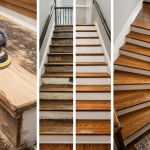


 The truth is, replacement isn’t always the only solution. While a brand-new staircase can cost thousands of dollars, there’s a more affordable option: repairing your existing staircase. Hiring a professional to repair your staircase can save you money while still providing a safe and stylish solution.


